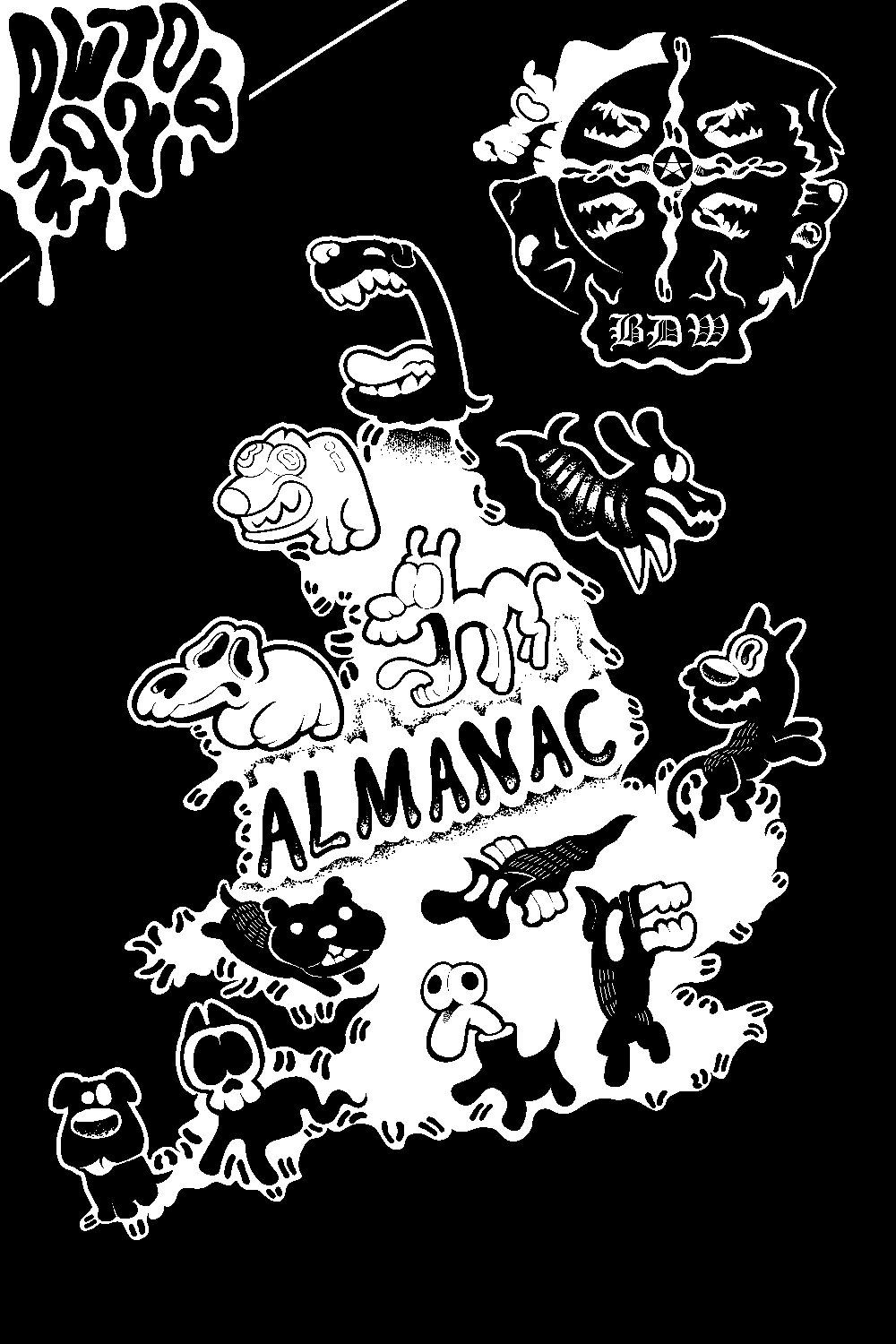
Black Dog Almanac
And every form of evil seems to bear an evil mark,
Black dog don't believe in sin,
Think of where the black dog's been,
Think of where he's been today!”
- Black Dog, Babe Ruth (1972)
Welcome to Dancing with the Dead's Black Dog Almanac.
A Black Dog is a folkloric death-omen originating from the British Isles. True to their name, Black Dogs appear as tall phantom dogs with glowing eyes. Black Dogs can behave as protectors, observers or opportunistic predators, but most vampires prefer them as pets. Beyond velvet-lined dog-caskets and the chill of an unlit fire, ghostly strays continue to haunt the countryside, blissfully unaware of corporeal politics.
A primer for newcomers
This is a side-project for the adult webcomic Dancing with the Dead. This is a bestiary of folkloric black dogs, drawn by yours truly. You don't have to have read the comic to understand them, though there is jargon present. These are the main terms you'll be seeing:
- Chime Hours: Cursed periods of the night. Humans and undead born in these hours are known to be better at seeing ghosts.
- Etherium: The substance ghosts are composed of. It is also known as "White Matter".
- S-Radiation: Spectral Radiation. The passive energy that creates the undead, and is left behind by the undead. Some areas have more S-Radiation than others, while some are completely free of ghosts. S-Radiation is not to be confused with the ramblings of conspiracy theorists, fits of madness, or a gas leak.
- Will O' the Wisp: An atmospheric ghost light.
The AWOL Classification System of Ethereal Behaviour:
This classification system was established in 1942 by the Transatlantic Undead Watch as a means of identifying ethereal behaviour. Most Black Dogs only fall into a few of its types, but for posterity’s sake it is featured here.
Aggressor
The defining personality of violent sightings and paranormally-connected killings.
Aggressor Type A “Pure Aggressor”: Attacks indiscriminately and will commit whatever violence it sees fit for the situation. Refuses to stop fighting, even when it’s actively dying.
Aggressor Type B “Territorial Aggressor”: Territorial, attacks within its boundaries.
Watcher
The defining personality of an untroubled wild ghost.
Watcher Type A “Pure Watcher”: Peacefully observes its surroundings and only attacks if threatened.
Watcher Type B “Possessive Watcher”: Possessive, will act aggressive if its objects of interest are interfered with.
Outlier
The defining personality of undead absurdities, random chances and other sudden happenings.
Outlier Type A “Pure Outlier”: The stereotypical “Wild Card” ghost.
Lodger
The defining personality of the haunted house ghost.
Lodger Type A “Landlord”: Territorial and does not leave. Sees its place as strategically useful and must be bargained with or killed.
Lodger Type B “Tenant”: Tenant, needs the place to exist comfortably but can leave if forced or persuaded.
Lodger Type C “Vagrant”: Is desperate to keep its haunt and obsesses over being driven out.
Lodger Type D “Lover”: A protective spirit or family ghost. Will fight to the death if it’s threatened and will refuse all bargains for as long as its loved ones remain. Most tamed ghosts become Class D Lodgers. Even historically nonviolent ghosts such as Will O' The Wisps can behave in this manner.
Let them lie, or don't...
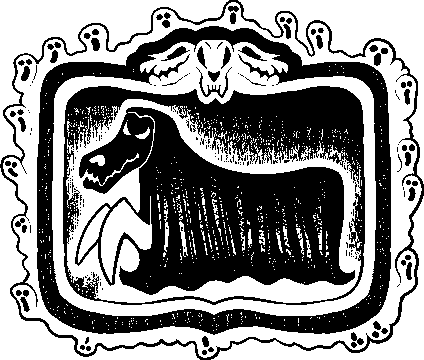
Phasma Messor
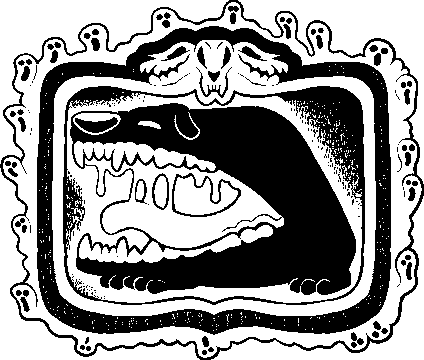
Phasma Vorax
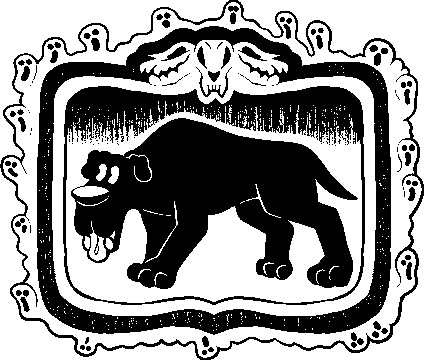
Phasma Canis
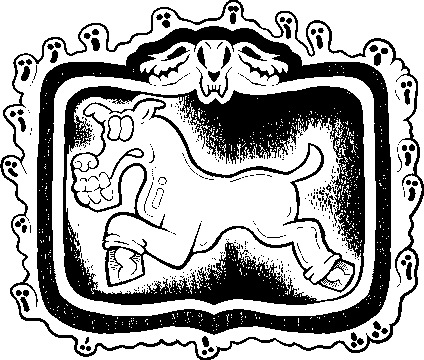
Phasma Celer
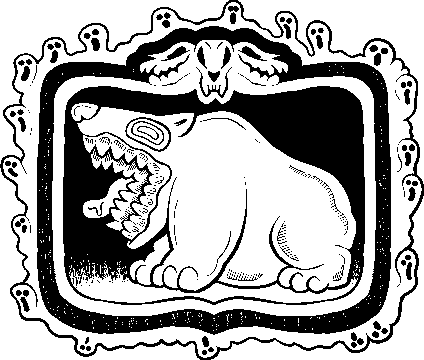
Phasma Hypnos

Phasma Ocularis
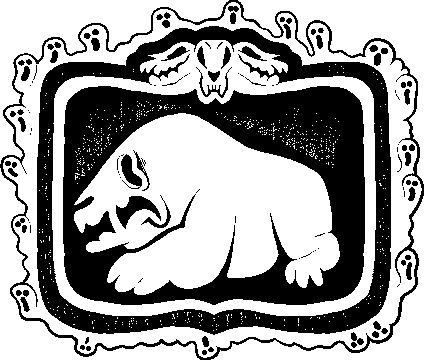
Phasma Lugubris
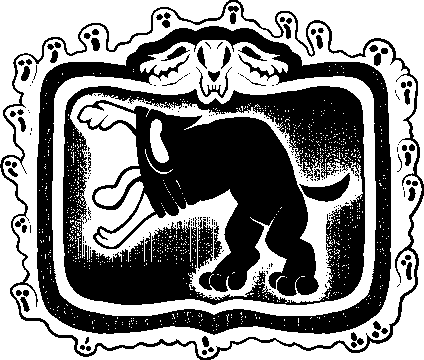
Phasma Ululans